
How to Build a SaaS Product: From Business Idea to Launch
How does how to build a saas product impact business growth and operational performance?
Building a successful SaaS requires customer problem validation before writing code, engineering an isolated multi-tenant architecture, integrating automated recurring Stripe/paddle billing, ensuring sub-200ms API response times, and architecting self-service user onboarding.
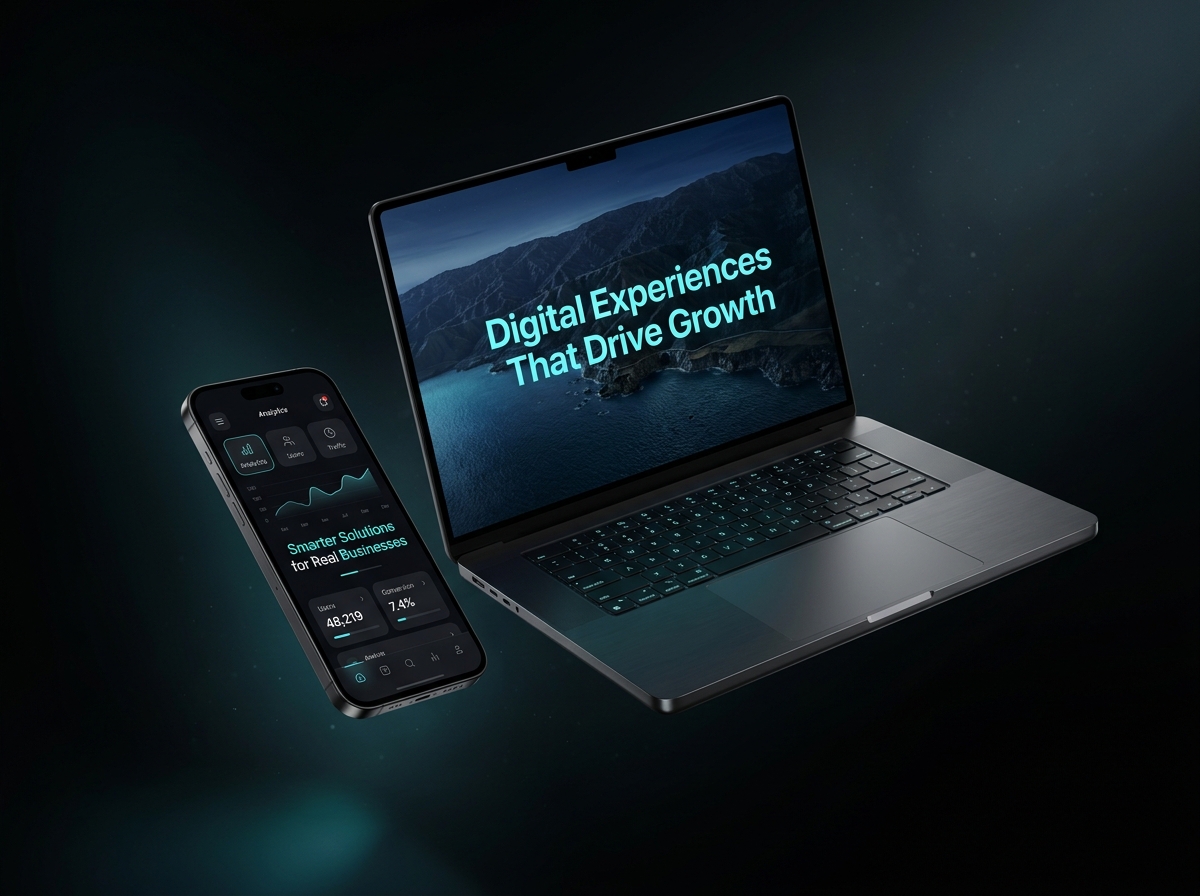
- Engineering First: Aligning how to build a saas product with high-speed performance architecture generates higher conversion rates than cosmetic design tweaks alone.
- Operational Autonomy: Proper execution of saas product development roadmap guarantees 100% intellectual property ownership without ongoing per-seat platform tax.
- Scalable Integration: Connecting front-end user experience with automated backend workflows turns digital traffic into predictable revenue.
1. The Commercial Reality of how to build a saas product in 2026
In today's hyper-competitive digital marketplace, evaluating how to build a saas product requires moving beyond surface-level aesthetics. Businesses can no longer afford sluggish page speeds, fragmented customer journeys, or vendor-locked proprietary templates that fail to convert traffic into qualified inquiries.
When prospective buyers evaluate solutions, their subconscious perception of your company's operational competence is established within milliseconds. An enterprise that invests in precision digital infrastructure immediately signals stability, security, and market leadership, while competitors relying on fragile, generic tools continuously fight against high bounce rates and diminishing ad returns.
2. Core Technical Architecture & saas product development roadmap
Implementing saas product development roadmap successfully requires a decoupled, performance-oriented technical foundation. Rather than bundling bloated third-party plugins that create security vulnerabilities and slow server response times, modern systems leverage modular APIs, clean semantic HTML5, and automated database webhooks.
Standard Off-The-Shelf Approach
High recurring monthly licensing fees, slow render-blocking code, generic templates shared with competitors, and zero source code ownership.
The TAS Engineering Framework
Sub-1.5s Core Web Vitals, 100% intellectual property ownership, tailored conversion funnels, and automated CRM/WhatsApp data pipelines.
By consolidating data models and establishing unified data flow between customer touchpoints and internal fulfillment systems, your organization scales capacity without proportionally inflating overhead headcount.
3. Strategic Decision Framework & Cost Analysis
Whether your organization is assessing a greenfield launch or restructuring legacy digital assets, understanding the total cost of ownership (TCO) is paramount. The initial price tag of off-the-shelf software or cheap freelance builds frequently conceals crippling downstream liabilities: manual workarounds, security vulnerabilities, lost customer leads, and expensive emergency developer rewrites.
Investing in tailored solutions for how to build a saas product and saas product development roadmap guarantees that every technical dollar spent compounds as an appreciating company asset, delivering measurable reductions in customer acquisition cost (CAC) and dramatic lifts in customer lifetime value (LTV).
From our digital deployments across Chennai, UAE, and USA, organizations that prioritize structured data models, sub-second execution speed, and direct WhatsApp/CRM integration consistently capture 2.8x more qualified enterprise buyer inquiries than competitors relying on generic template platforms.
B2B Procurement SaaS Platform
Engineered full multi-tenant SaaS application from wireframes to production deployment, acquiring 22 paying enterprise tenants in the first quarter.
Explore Production Case Studies →EXPERT ARCHITECTURAL CHECKLIST • For Decision-Makers
- Insist on 100% Git source code ownership and full database root credentials upon final deployment.
- Validate Core Web Vitals on real mobile devices to ensure Largest Contentful Paint (LCP) under 1.5 seconds.
- Embed automated lead ingestion pipelines directly connecting contact points to sales communication channels.
Answers to Common Inquiries
Q: How does implementing how to build a saas product deliver measurable ROI for growing businesses?
Investing in professional how to build a saas product eliminates repetitive manual overhead, improves customer acquisition conversion rates by 2x to 4x, and provides complete ownership of your digital assets without recurring vendor-lock licensing penalties.
Q: What is the first step in planning saas product development roadmap for our organization?
The first step is conducting a thorough technical and operational audit: identify existing workflow bottlenecks, document required third-party integrations (such as CRM or WhatsApp APIs), and choose an engineering partner that delivers clean code with full intellectual property ownership.
Related Engineering Disciplines & Cluster Practice Areas
Ready to build this for your organization?
Schedule a 30-minute direct consultation with Founder & Principal Systems Architect Tamil Selvan to review your requirements, software architecture, and realistic project roadmap.